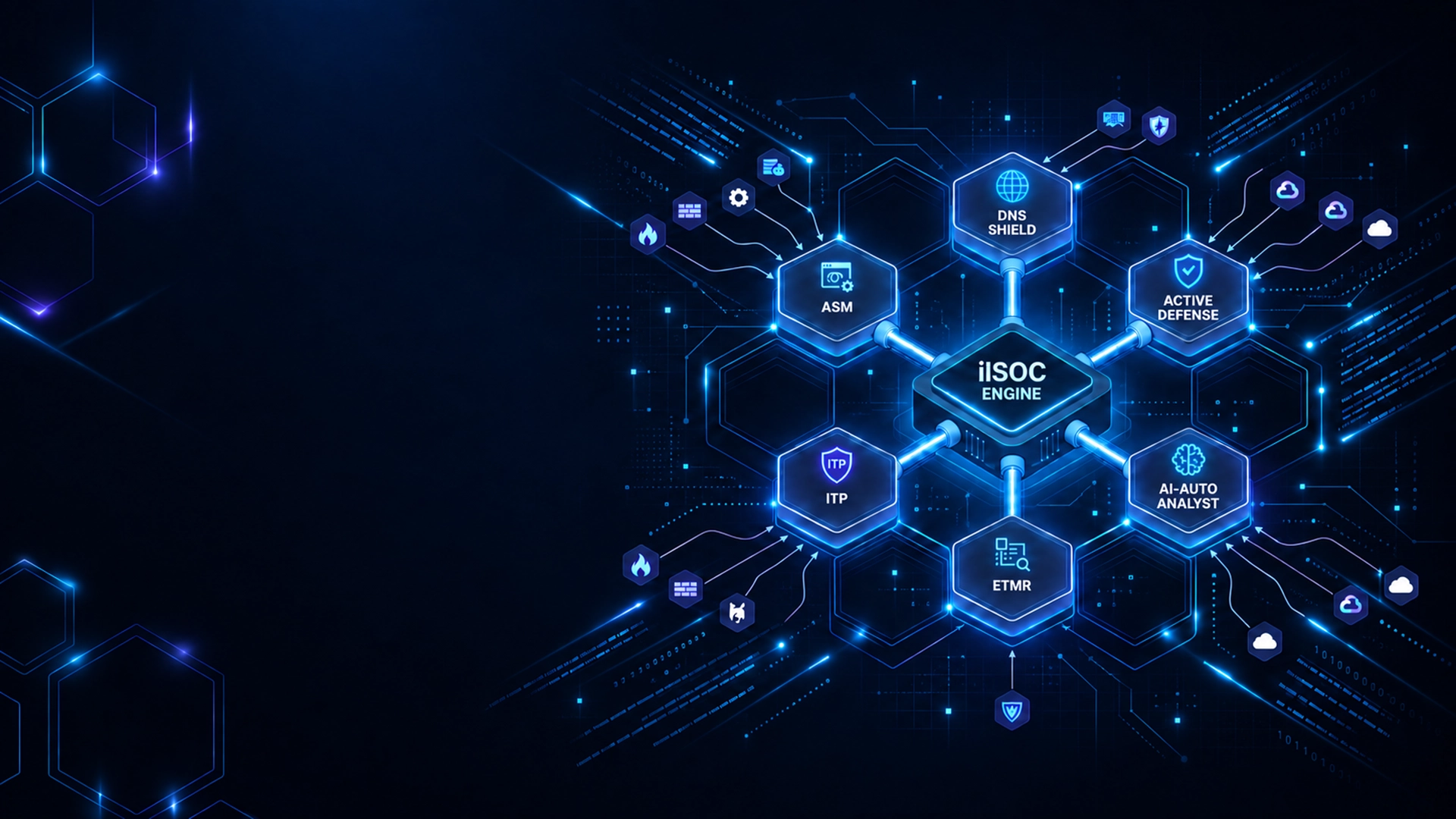

One platform, from collected log to contained threat

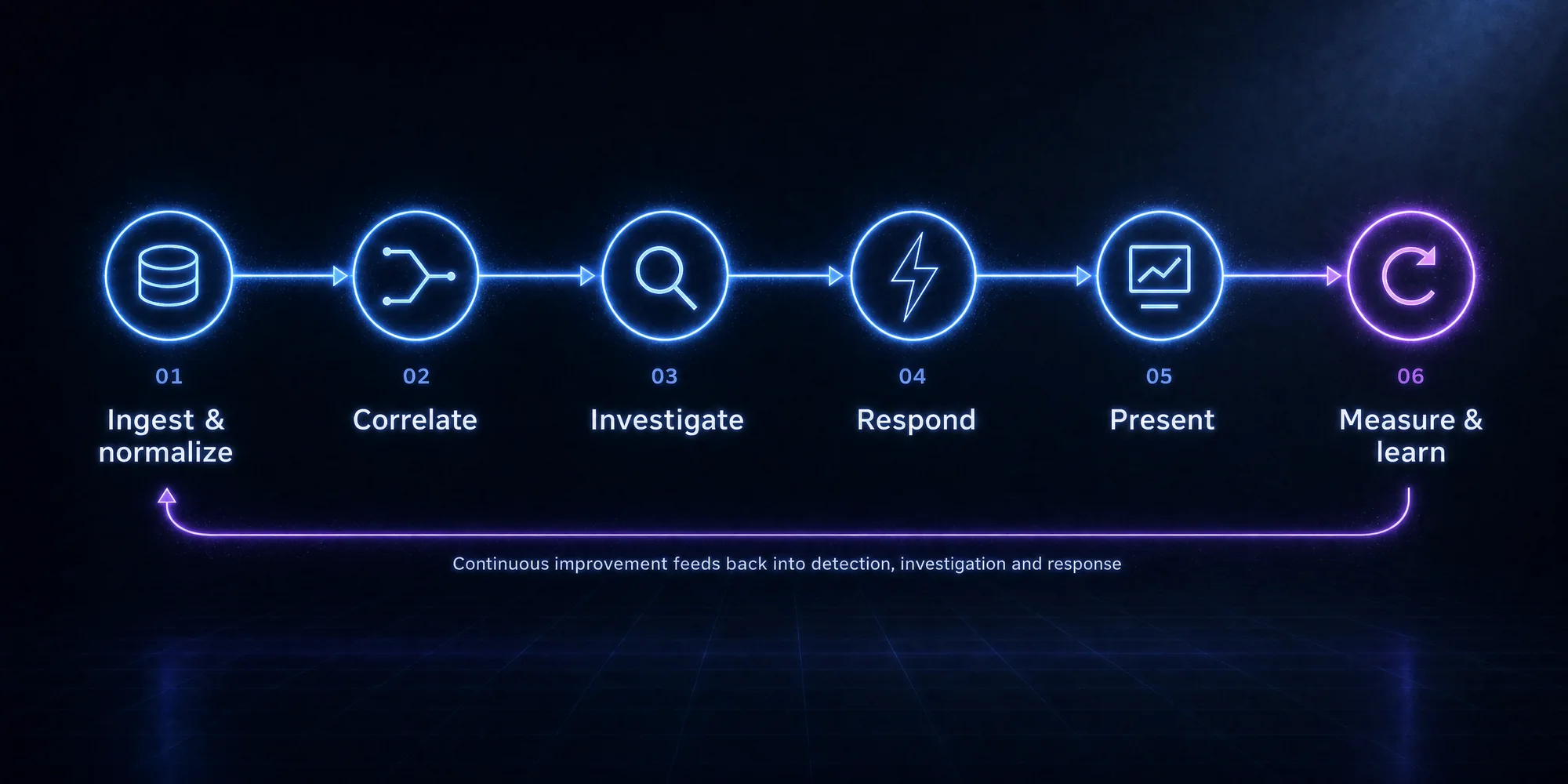
ClearSkies iISOC is an Integrated Security Operations Center platform. It replaces a set of separately-integrated products with one system that ingests, correlates, investigates, responds and measures — under one data model, one analyst workflow and one console.

Intelligent, and integrated, because either one alone falls short

Two words carry the architecture, and neither is sufficient on its own. Together they're the reason correlation happens inside the platform instead of in your analyst's head.

PHOTO 01One analyst reviewing a single incident on screen — supervising, not searching.

Intelligent

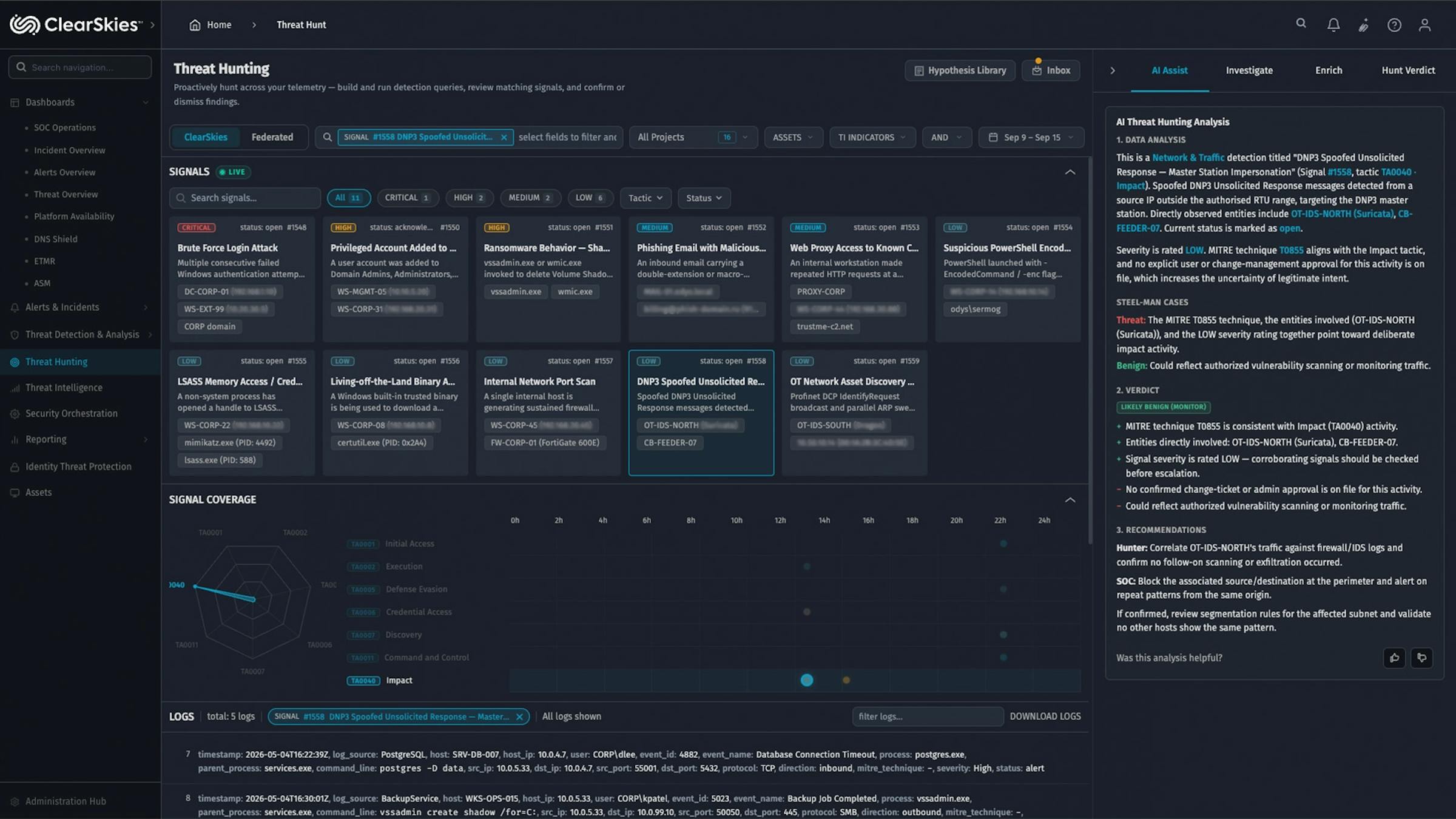
The platform does not simply host tools. It reasons across them. The iCollector normalizes every source into one context-aware model, the Centric-AI Fabric enriches and links entities, and the TDIR engine resolves scattered events into single incidents contextualized against MITRE ATT&CK.


PHOTO 02Hands on one console, several sources on a single screen.

Integrated

Every capability plugs into one platform and shares one data model, one analyst workflow, and one console. Integration is a property of the platform itself rather than a bilateral arrangement between products, and adding a capability extends coverage without adding a console to operate.

PHOTO 03The operations room at work — wide framing, the team rather than the individual.

Why both are required

Intelligence without integration produces a clever tool that still stands alone. Integration without intelligence produces a shared console that still leaves correlation to be done by hand. ClearSkies iISOC holds both at once.

Six add-ons, scoped to what a client actually exposes

Coverage is scoped to the real, continuously assessed exposure of a client rather than to a fixed checklist. Attack Surface Monitoring establishes and maintains that exposure picture, and the picture determines which add-ons a tenant needs.

Each add-on is licensed on the unit reflecting its actual protected surface and is activated per tenant from the console.

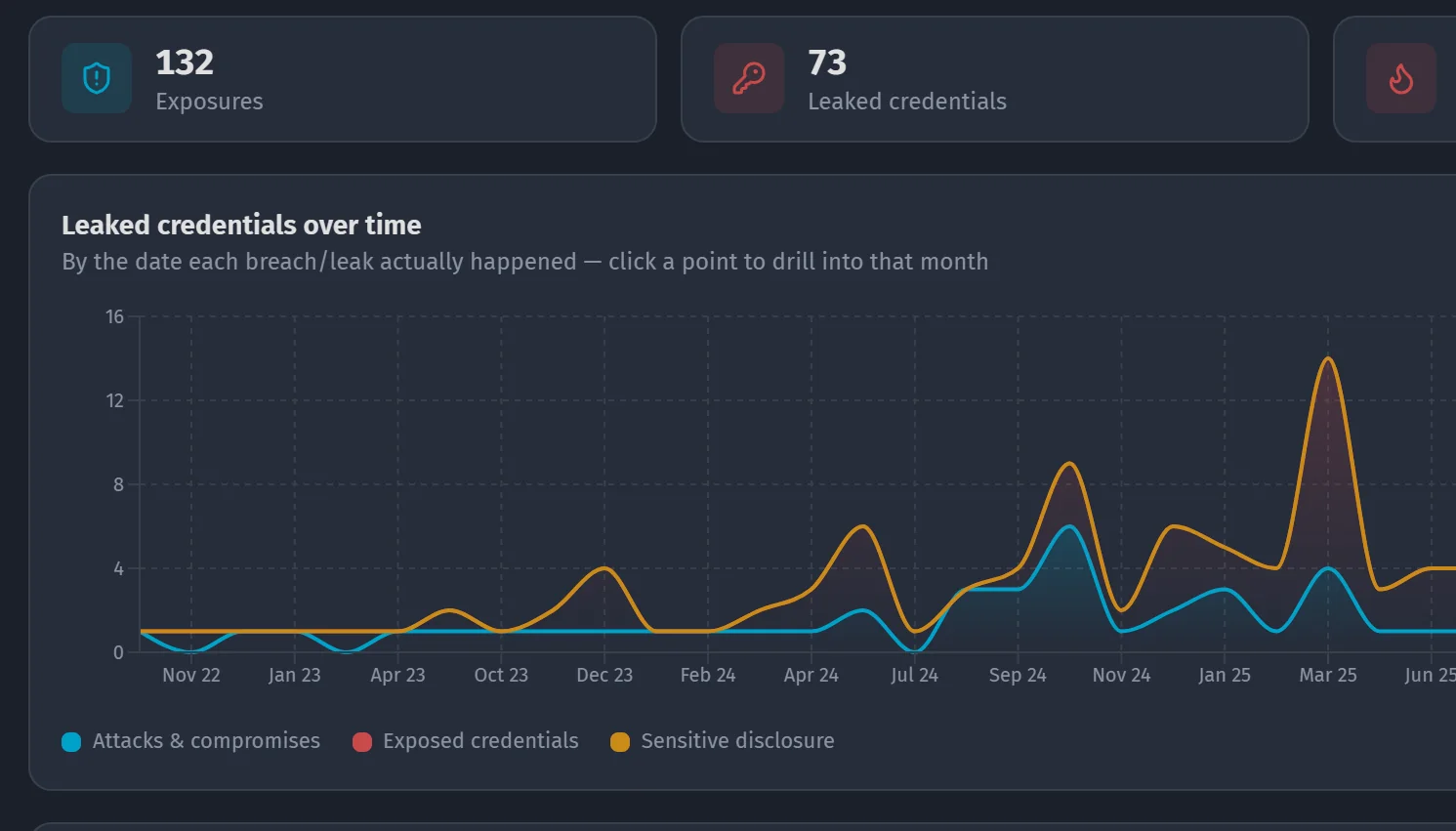
ClearSkies ASM dashboard: exposure and leaked-credential counts with a leak timeline

Pre-compromise and external exposure

Attack Surface Monitoring

Finds and continuously reassesses what your perimeter exposes, before an attacker does.

Explore ASM →
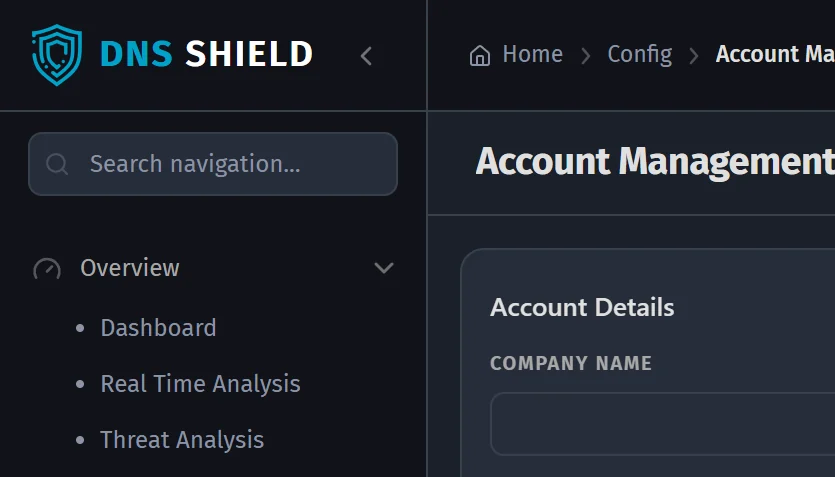
ClearSkies DNS Shield console

Resolution layer

DNS Shield

Refuses malicious resolutions at the DNS layer, before a connection is made.

Explore DNS Shield →
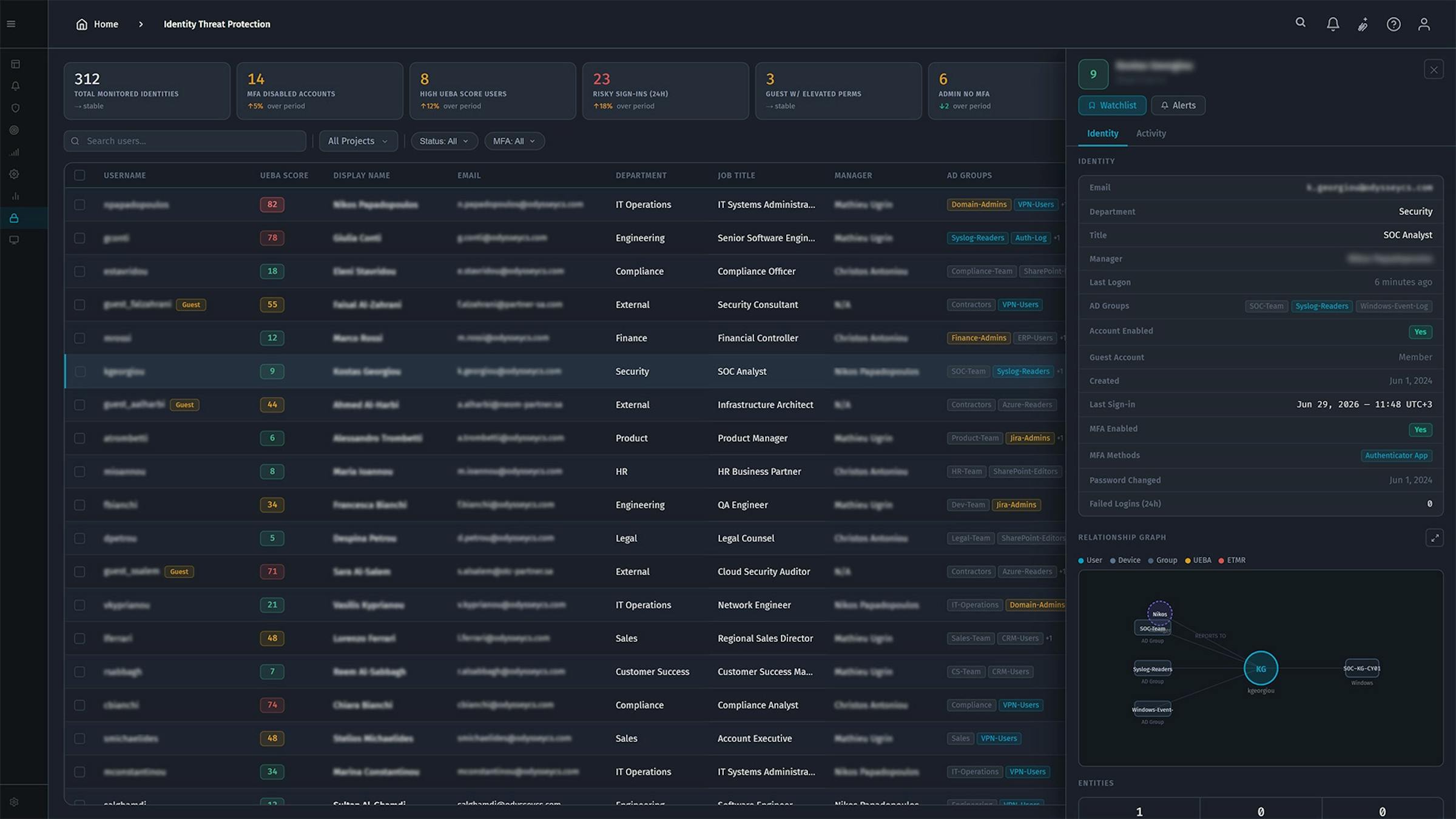
An identity risk timeline showing an authentication anomaly followed by an MFA registration.

Identity plane

Identity Threat Protection

Detects credential abuse and identity attacks across human and service accounts.

Explore ITP →
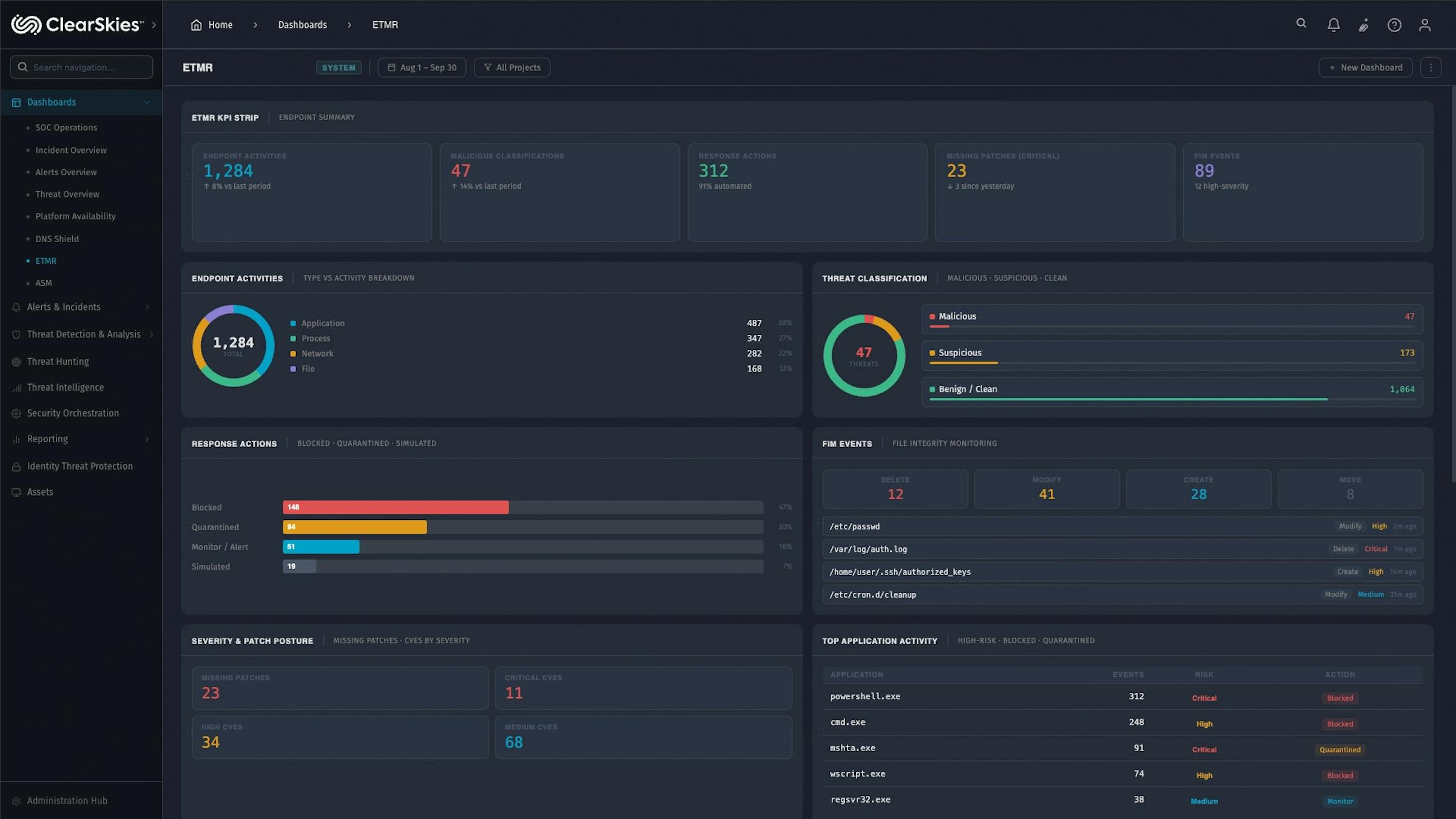
A process tree with the containment action taken and the tier that authorized it.

Endpoint

Endpoint Threat Monitoring and Response

Detection and containment on the endpoint, correlated with everything else the platform sees.

Explore ETMR →
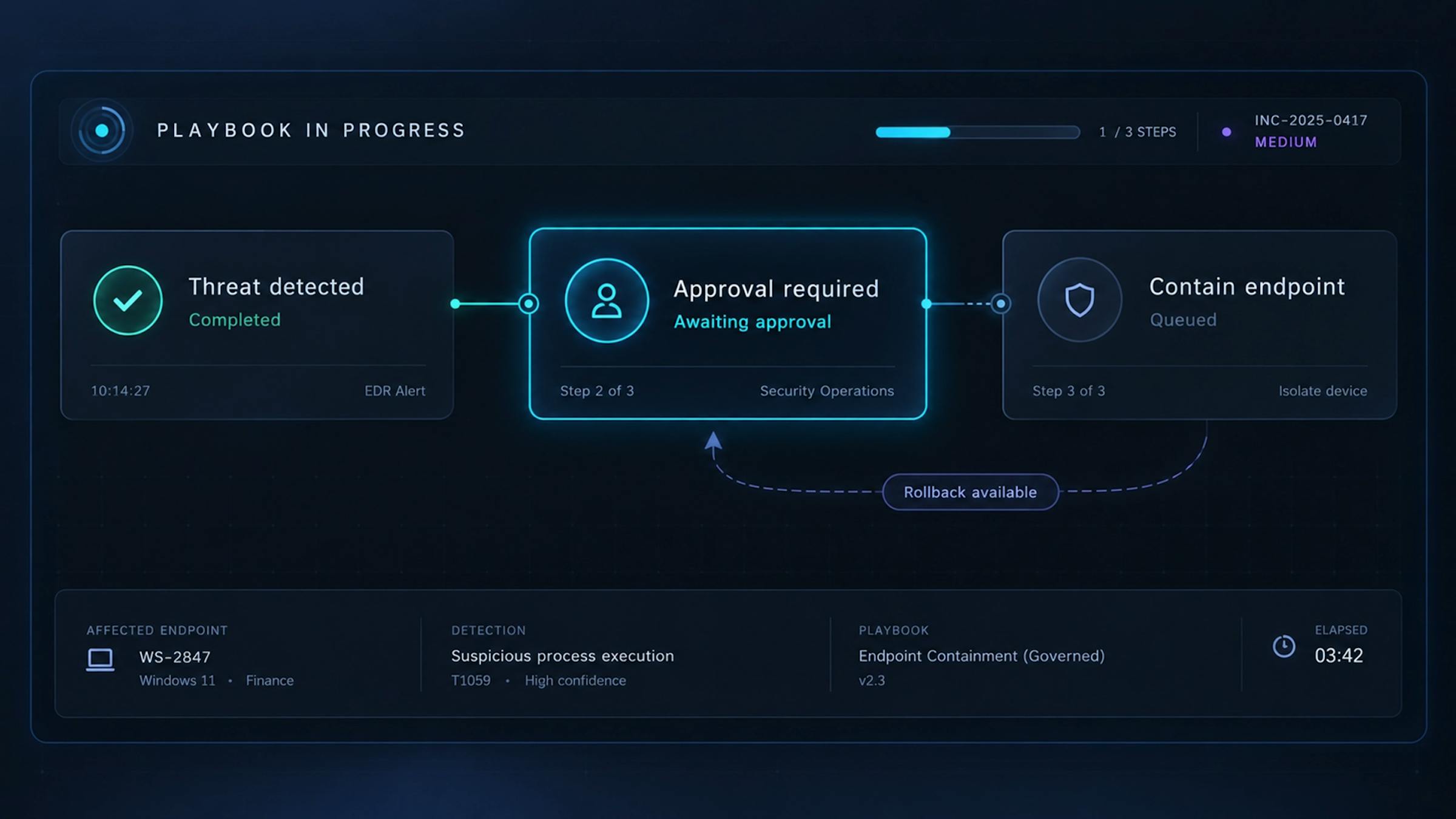
A governed playbook mid-execution, with the approval gate and the reversal path visible.

Active response

Active Defense

Deception and containment that engages an attacker already inside the environment.

Explore Active Defense →
An autonomous investigation with its evidence trail open, before a human has seen it.

Alert and incident triage

AI-SecOps Autonomous Analyst

Autonomous Level 1 & 2 analyst capacity. Triages alerts, conducts investigation loops, and recommends or executes governed response actions at machine speed.

Explore AI-SecOps →

The ClearSkies Marketplace

Third-party telemetry, treated as first-class

The six native add-ons cover the exposure domains. No security infrastructure consists only of one vendor, and a platform that correlates only its own telemetry would reproduce the very limitation it sets out to solve. The Marketplace connects the platform to thousands of third-party products so that correlation operates over the whole environment.

PropertyWhat it means here
Normalized at collectionThird-party telemetry passes through the iCollector into the same context-aware data model as native telemetry, rather than being translated at a connector after the fact.
Resolved to shared entitiesThe Centric-AI Fabric resolves third-party events to the same user, host, identity, domain, asset and session entities that every other source resolves to, which is the precondition for correlating across them.
Contributes and executesA Marketplace integration both sends telemetry into the platform and accepts instructions from it, so containment happens wherever it is most effective across your existing controls.
Enabled per tenantIntegrations are activated for the specific tenant that needs them, so a service provider scopes each client to its actual infrastructure without a separate deployment.

A connector moves data between two products and leaves the meaning of that data to whoever reads it. A Marketplace integration places third-party telemetry inside the same model, the same entity graph and the same risk score as everything else, which is why a third-party endpoint alert can raise the score on an incident that began as an identity anomaly. The difference is not throughput. It is whether the platform can reason across the result.

What changes, and the mechanism that produces it

Definitions are published so that figures remain comparable between tenants and between reporting periods. Target values are agreed per engagement.

False positive rate

95% fewer false positives against the pre-deployment baseline

Related events resolve into single incidents inside the normalized model, and risk scoring with per-detection tuning directs what is created rather than what is received.

Investigation effort

80% less investigation time per incident

Automated triage, enrichment and evidence gathering with a visual investigation graph, in place of manual pivoting between consoles.

Analyst productivity

48% higher analyst productivity

One workflow and one console, with volume triage absorbed by the AI-SecOps Autonomous Analyst under governed authority.

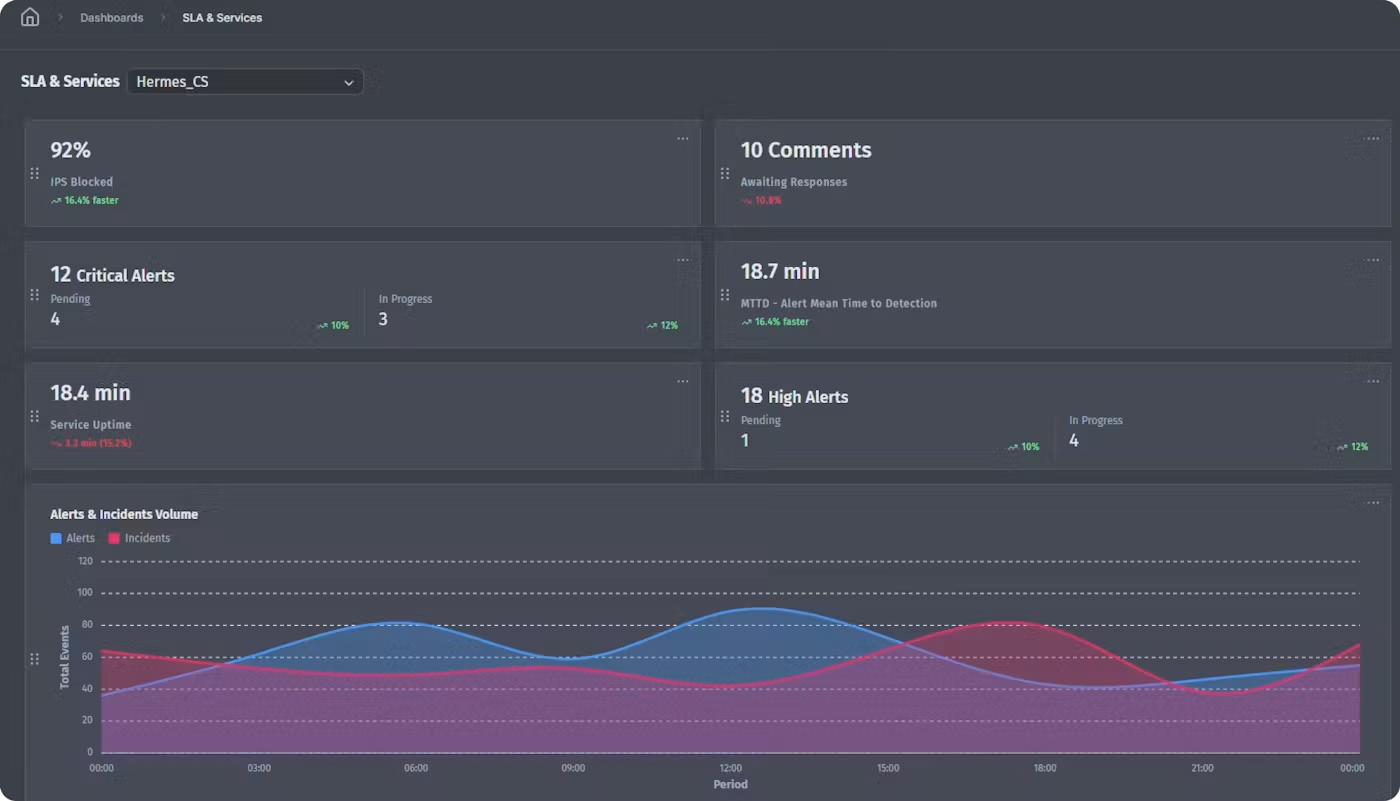
The platform reports mean time to detect, mean time to respond, correlation ratio, false positive rate, automation coverage, SLA attainment and ATT&CK coverage natively and per tenant. Measurement is native, not a reporting layer bolted on afterward.

ClearSkies SLA & Services dashboard

Questions buyers ask

Six questions, answered in the vendor's own words

Is this single-vendor lock-in by another name?

The platform is opinionated about the data model and open about the infrastructure. Thousands of third-party products are normalized to the same schema through the Marketplace, detection logic is portable through Sigma, intelligence exchanges through STIX and TAXII, and customer data remains exportable under documented terms.

How is this different from a next-generation SIEM?

A SIEM is a destination for logs. The distinction here is where correlation happens and what acts on the result: normalization occurs at collection, correlation and investigation occur inside the platform, and response executes back through every integrated control under governed authority.

What happens to existing detection content?

It is translated and validated against the normalized model during a parallel run, with detection parity demonstrated before the incumbent is decommissioned.

Can the automation be trusted with response authority?

Authority is tiered and configurable per tenant. Low-risk containment executes automatically, higher-impact action requires human authorisation, and every action is logged with actor, input, decision, and outcome.

How is cost controlled as data volume grows?

Through banded ingestion and retention by tier, add-on licensing tied to protected surface rather than log volume, and exposure-led scoping.

Does data leave the jurisdiction?

Deployment supports data residency and sovereignty requirements, with governance mapped to NIS2, DORA, GDPR, ISO/IEC 27001, and the EU AI Act. Residency is confirmed per deployment at scoping.

The difference between owning security tools and operating security

One system collects, correlates, decides, acts, and measures. That is the difference between owning security tools and operating security.