
Trusted by security teams and service providers






A modern SOC rarely fails for want of tools.
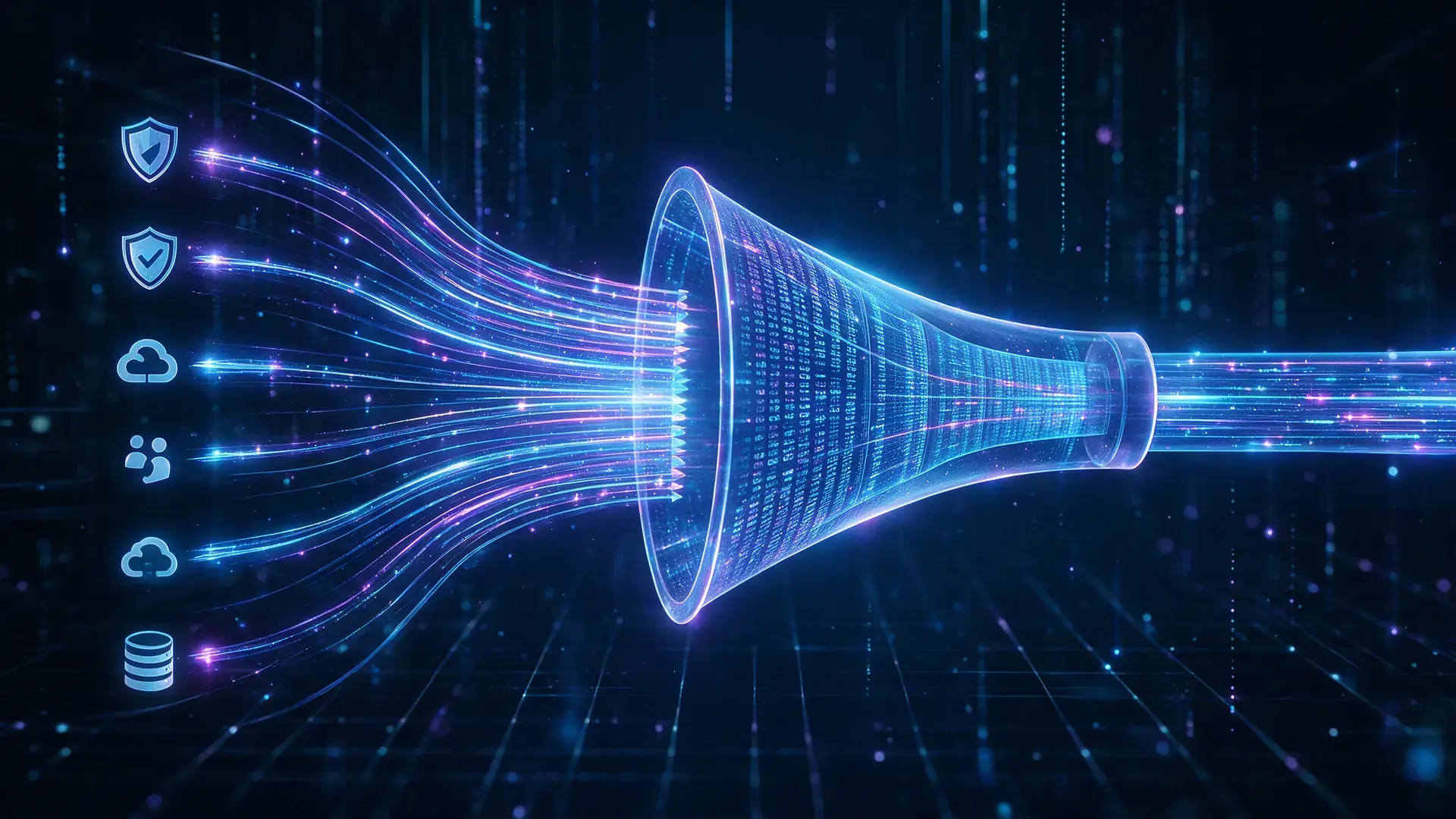
It fails because the tools do not act as one. Every individual purchase makes sense. A threat emerges, a gap is shown, a control is bought. What nobody prices at the point of purchase is the weight of another console, another agent, another severity scale and another integration to maintain.
Roughly 45 tools, and 75% now consolidating
A Gartner survey of large enterprises put the average at roughly 45 cybersecurity tools per organization, and the proportion actively pursuing vendor consolidation has risen to approximately 75% from under 33% in 2020. Complexity, not budget, is now the more commonly cited barrier.
46% of alerts are false positives
Research published by Microsoft and Omdia in State of the SOC 2026 found that 46% of alerts prove to be false positives, meaning close to half of an analyst working day returns no security value, with a further share never reached at all.
Where correlation happens
changes what your SOC can do
In a tool-centric model it happens after the fact, done by an analyst across products that never shared a schema. In an integrated model it happens inside the platform, over telemetry that was normalized before it arrived. Everything else follows from that one choice.

Intelligent
The platform does not simply host tools. It reasons across them. The iCollector normalizes every source into one context-aware model, the Centric-AI Fabric enriches and links entities, and the TDIR engine resolves scattered events into single incidents contextualized against MITRE ATT&CK.

Integrated
Every capability plugs into one platform and shares one data model, one analyst workflow, and one console. Integration is a property of the platform itself rather than a bilateral arrangement between products, and adding a capability extends coverage without adding a console to operate.
Why both are required
produces a clever tool that still stands alone.
produces a shared console that still leaves correlation to be done by hand.
ClearSkies iISOC holds both at once.

One Platform.
One Workflow.
One Portal.
Because the iISOC platform coordinates every capability, an organization runs one platform, one analyst workflow and one client portal across the entire attack surface, instead of stitching a sprawl of point tools together by hand. That single intelligent platform is what makes the whole attack lifecycle visible in one place.
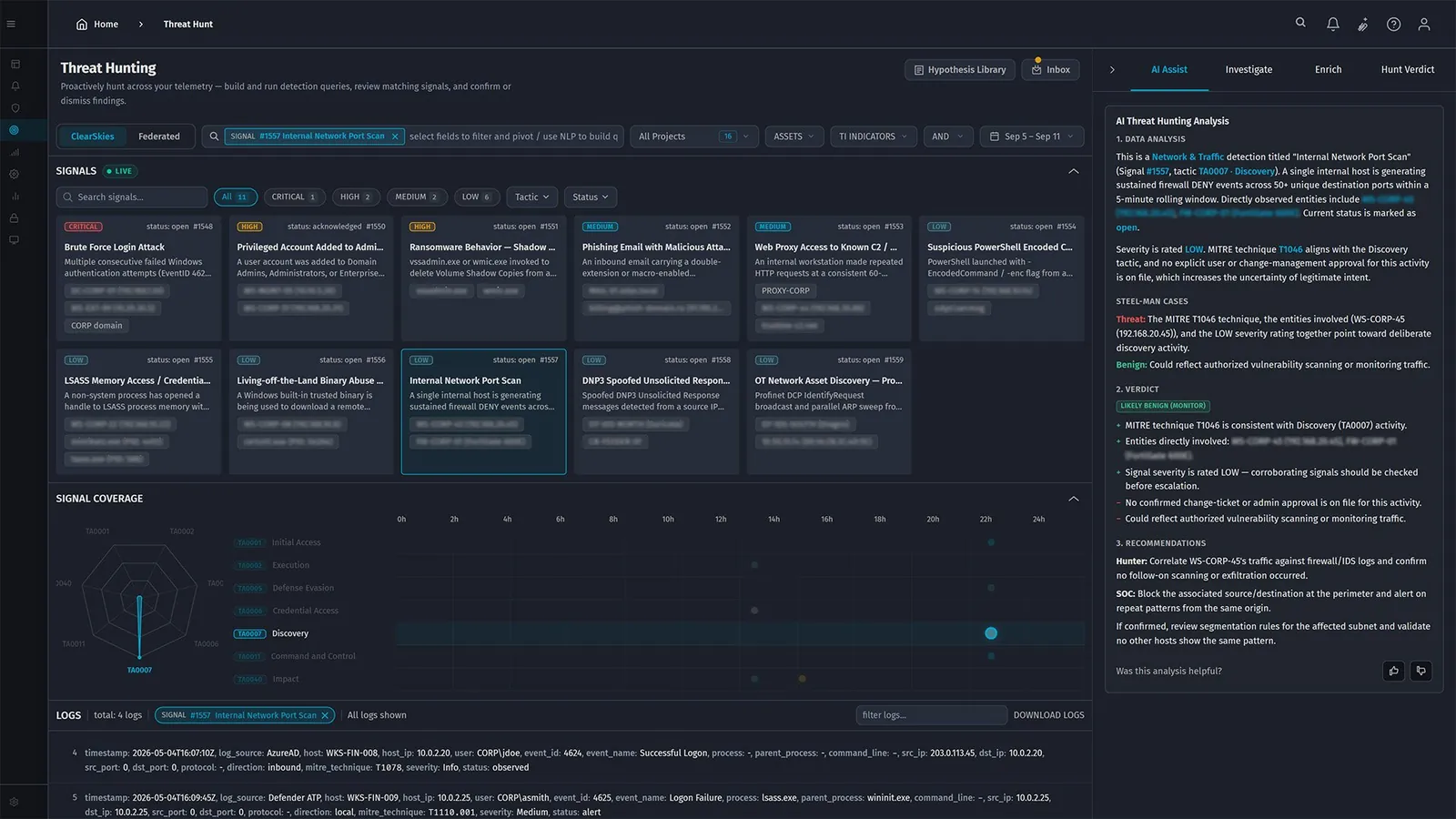
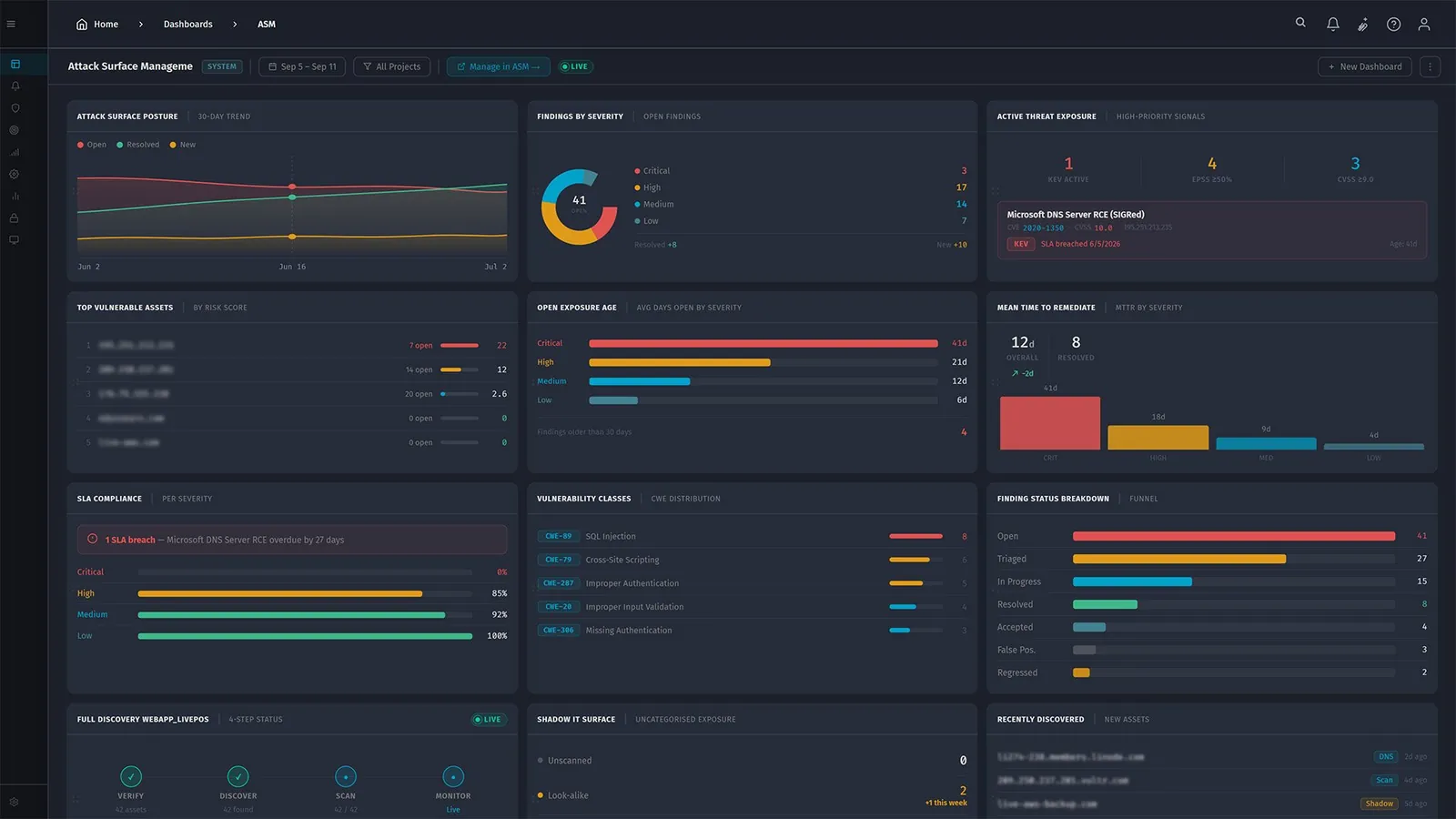
Extend coverage without adding a console.
Six native add-ons extend coverage across the attack surface. Each activates per tenant and is licensed on the unit that reflects its actual protected surface , so cost tracks what you're protecting, not what you're ingesting.
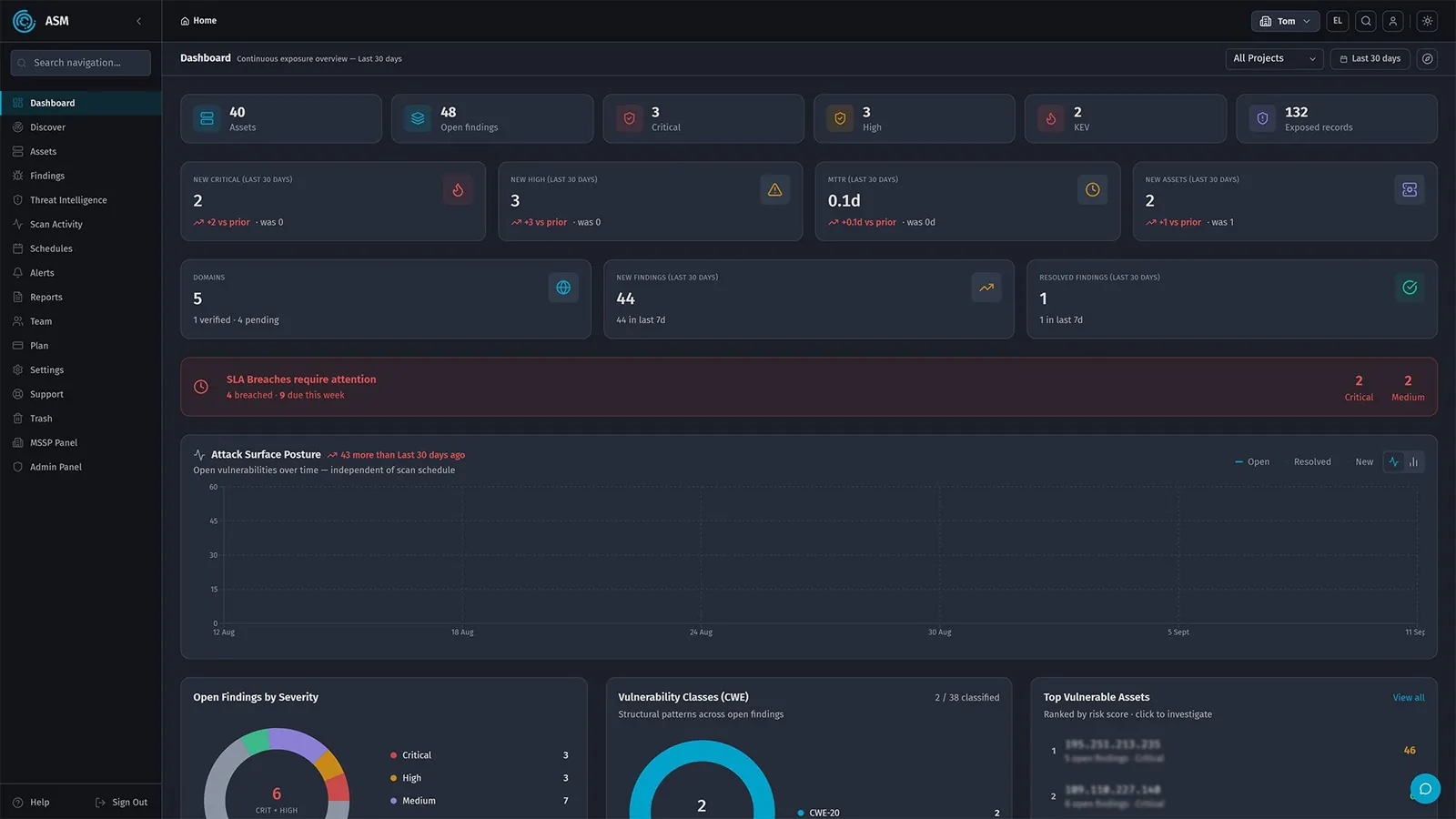
Attack Surface Monitoring
Finds what's exposed on your perimeter before an attacker does, continuously
DNS Shield
Blocks malicious destinations at the DNS layer, before a connection is made
Identity Threat Protection
Detects credential abuse and identity attacks across human and service accounts
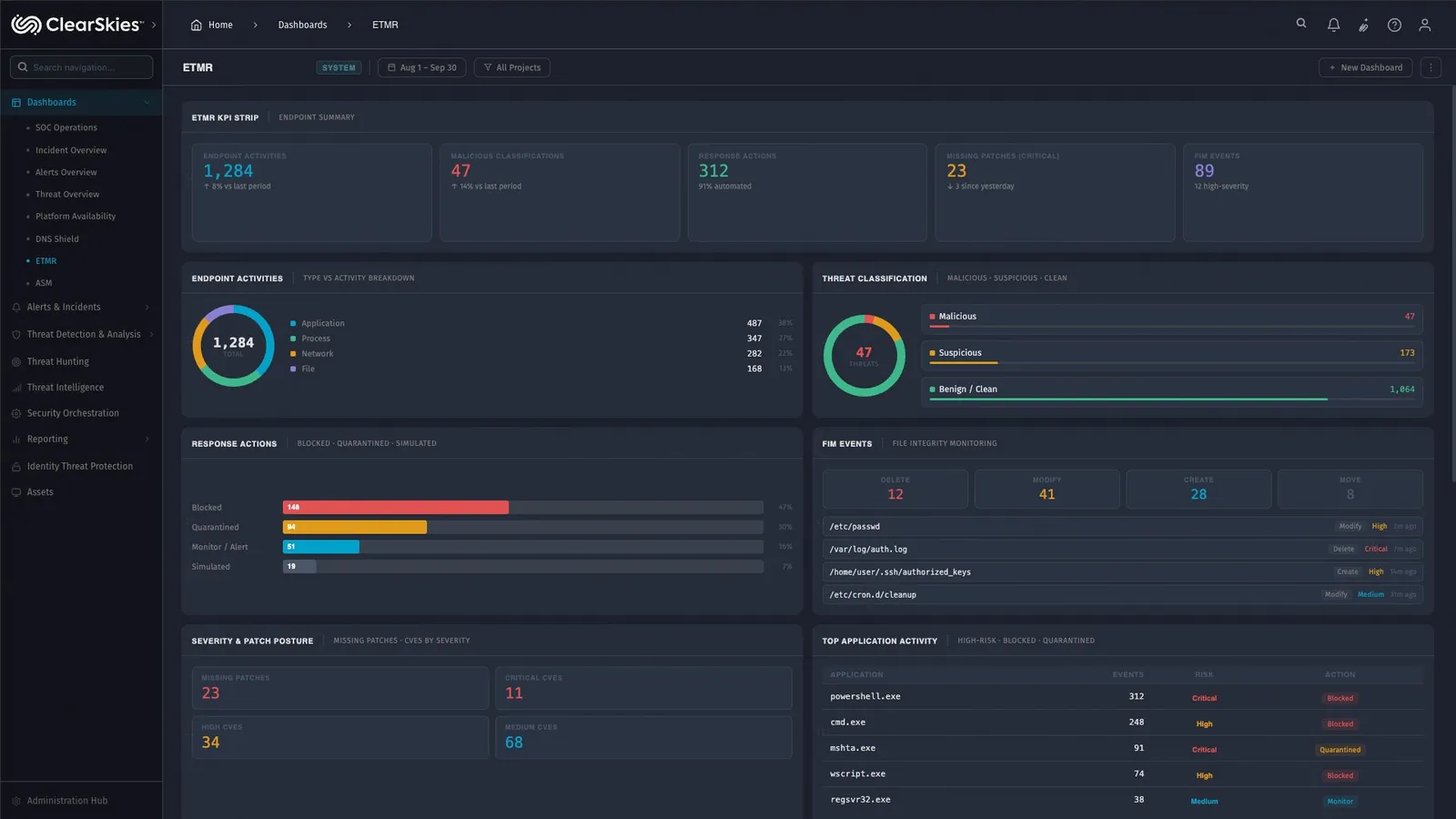
Endpoint Threat Monitoring & Response
Detection and response on the endpoint, correlated with everything else the platform sees
Active Defense
Deception and containment that engages an attacker already inside
AI-SecOps Autonomous Analyst
Triages and investigates alerts autonomously, with reasoning your analysts can inspect


Outcomes you can trace,
not figures you have to trust.
Fewer False Positives
Related events resolve into single incidents inside the normalized model, and risk scoring with per-detection tuning directs what is created rather than what is received.
Reduce alert fatigue
Less investigation time
Automation and AI-enriched context multiply scarce security talent
Enhance efficiency & operational effectiveness
Higher analyst productivity
One workflow and one console, with volume triage absorbed by the Autonomous Analyst under governed authority.
Contain threats sooner and reduce impact
Run It In-House, Or Deliver It As A Service
The same platform, from one common core, packaged two ways - so it fits how you operate, whether you protect one organisation or hundreds.

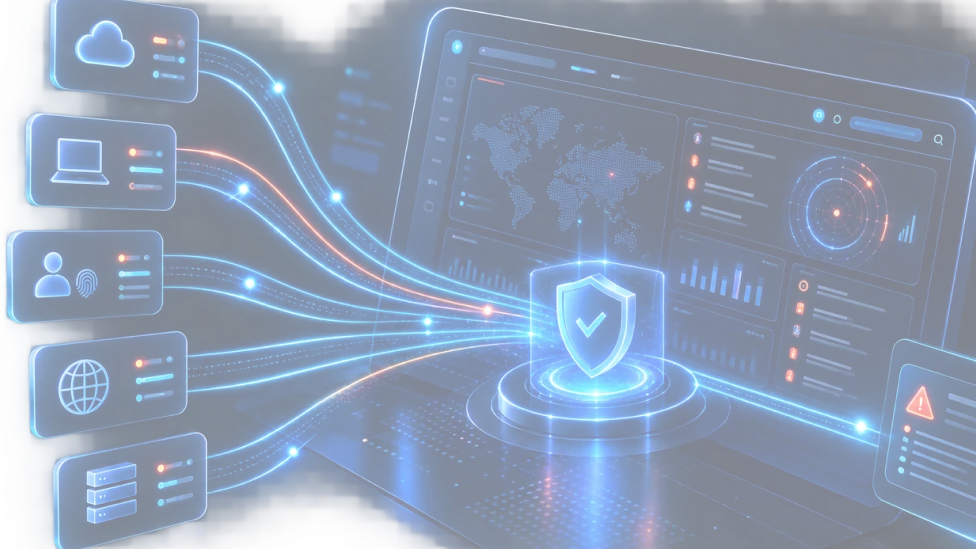
Enterprise
Your analysts investigate one incident instead of reconciling a dozen alerts, because the reconciliation already happened in the data model. Response is orchestrated across your controls rather than executed tool by tool. Mean time to detect and mean time to respond fall, and the platform produces the auditable record that proves it. When you extend coverage, you add capability, not another console for your team to run.
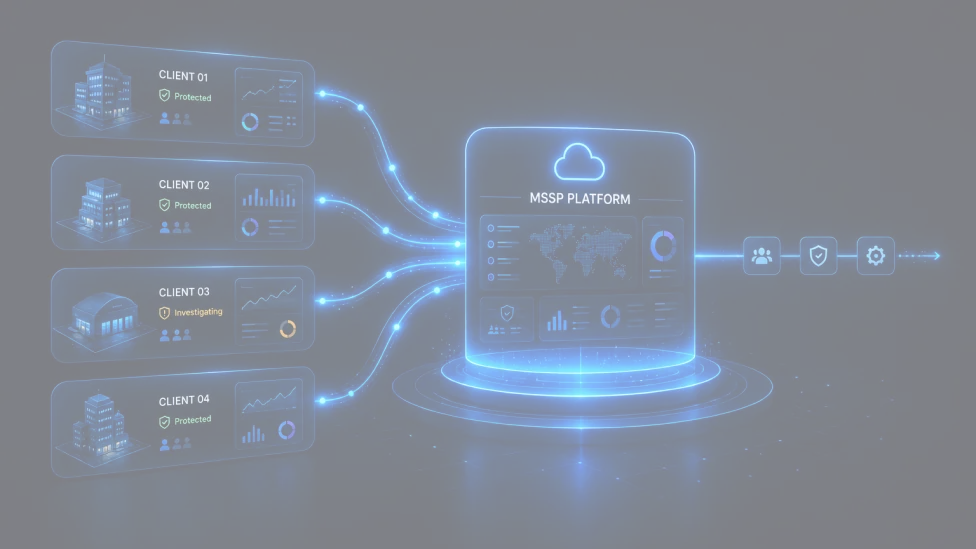
Service Provider
One multi-tenant platform serves the whole book of business through a single analyst workflow and a branded client portal, with strict per-tenant isolation and federated learning that improves detection for every tenant simultaneously. Because measurement is native, the provider reports outcomes rather than activity. Because capability is unified, new clients and integrations onboard without a bespoke build each time.
Organizations trust ClearSkies™
to stay ahead of tomorrow’s threats
“The multi-tenant architecture of ClearSkies™ makes client management effortless. We gain unified visibility across all customer environments while ensuring strict data segregation and compliance.”




See Across Every Layer.Contain Every Threat.
The same platform, from one common core, packaged two ways - so it fits how you operate, whether you protect one organisation or hundreds.
Recognized in the industry
Gartner® Hype Cycle™ for Security Operations, 2026
Integrated Security Operations Center systems appear as a new entry, described as an alternative to traditional SIEM platforms that retains data ingestion, analysis and response.
Gartner® Magic Quadrant™ for SIEM, 2021 & 2024
Odyssey Consultants Ltd. was positioned as a Niche Player for the ClearSkies TDIR in 2021 and 2024, marking ClearSkies’ second consecutive inclusion in this Magic Quadrant.
Gartner® Peer Insights™
ClearSkies Cloud SIEM rated 4.7 out of 5, from verified reviews in the Security Information and Event Management market.